

 ホーム /
ホーム / 自動車用バッテリーは、どの危険物クラスの一例でしょうか?


目次
- What Is a Hazard Class?
- Which Hazard Class Applies to Automotive Batteries?
- Lead-Acid Automotive Batteries
- Lithium Automotive Batteries
- Why Automotive Batteries Are Regulated
- Understanding Hazard Class 8 Batteries
- Lead-Acid Battery Transportation Rules
- Understanding Hazard Class 9 Lithium Batteries
- Why Lithium Batteries Are Considered Dangerous Goods
- Why Lithium Batteries Continue Growing in 2026
- Automotive Battery Labels and Markings
- Lead-Acid Battery Labels
- Lithium Battery Labels
- Packaging Requirements for Automotive Batteries
- Air Transport Restrictions for Batteries
- Battery Recycling and Environmental Concerns
- Battery Safety During Storage
- Why Battery Regulations Continue Evolving
- The Role of Battery Management Systems (BMS)
- How Hazard Classifications Affect Businesses
- Why Portable Energy Trends Increase Battery Regulation
- The Future of Battery Safety Regulations
- The Role of Gloflux in Modern Energy Solutions
- 総評
- FAQ About Automotive Battery Hazard Classes
Automotive batteries are essential components in modern transportation systems, powering everything from vehicle ignition systems to advanced onboard electronics. However, many people do not realize that automotive batteries are also classified as hazardous materials during transportation, storage, and handling.
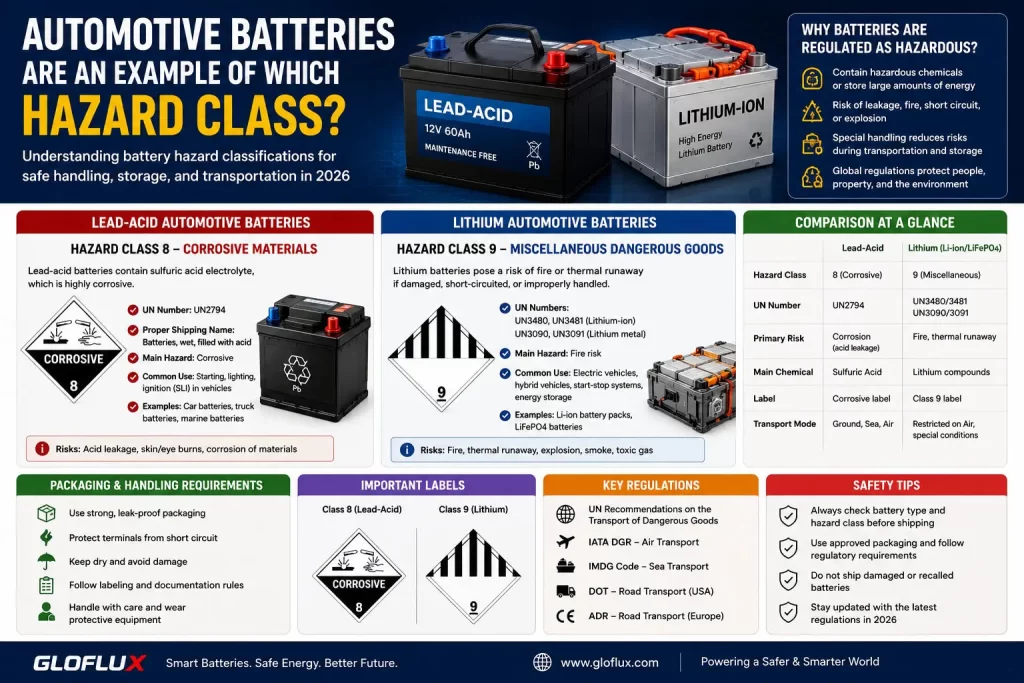
In 2026, global battery shipping regulations continue becoming stricter because of the rapid growth of electric vehicles, lithium battery systems, portable energy storage, and international battery logistics. Understanding battery hazard classifications is critical for manufacturers, distributors, logistics companies, and end users who work with automotive batteries or portable energy systems.
あの時 グロフラックス, we focus on advanced battery technologies and portable energy solutions designed for modern applications. This guide explains which hazard class automotive batteries belong to, why batteries are regulated as hazardous materials, and how modern battery transportation rules affect the global energy industry.
What Is a Hazard Class?
A hazard class is a standardized category used to identify dangerous materials during transportation and storage.
Hazard classes help define:
- Transportation requirements
- Packaging standards
- Labeling rules
- Emergency response procedures
- Safety handling instructions
Hazardous materials are regulated internationally to reduce risks involving:
- Fire
- Explosion
- Toxic exposure
- Chemical leakage
- Environmental contamination
Organizations involved in battery shipping must follow strict safety regulations established by transportation authorities.
Which Hazard Class Applies to Automotive Batteries?
Automotive batteries may fall into different hazard classes depending on their chemistry and construction.
Lead-Acid Automotive Batteries
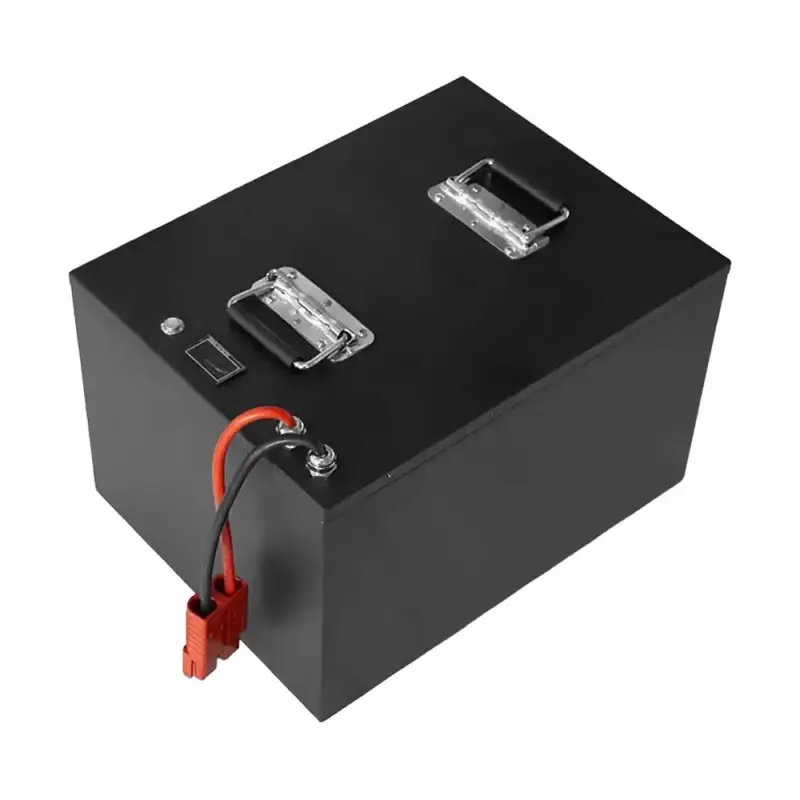
Traditional lead-acid automotive batteries are generally classified as:
Hazard Class 8 — Corrosive Materials
Class 8 hazardous materials include substances capable of causing:
- Skin burns
- Eye damage
- Metal corrosion
- Chemical injury
Lead-acid batteries contain sulfuric acid, which is highly corrosive.
Because of this corrosive electrolyte, most conventional automotive starter batteries are classified under:
- UN2794 — Batteries, wet, filled with acid
These batteries are regulated as corrosive hazardous materials during transportation.
Lithium Automotive Batteries
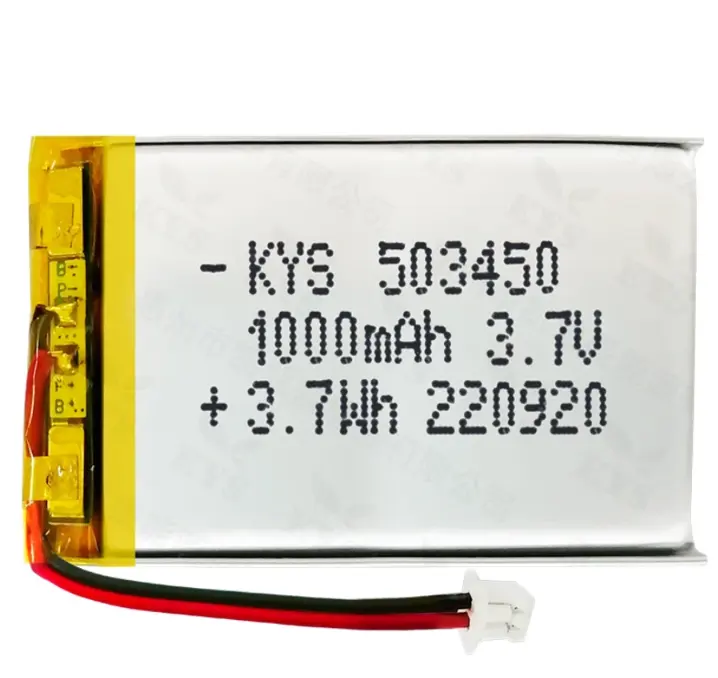
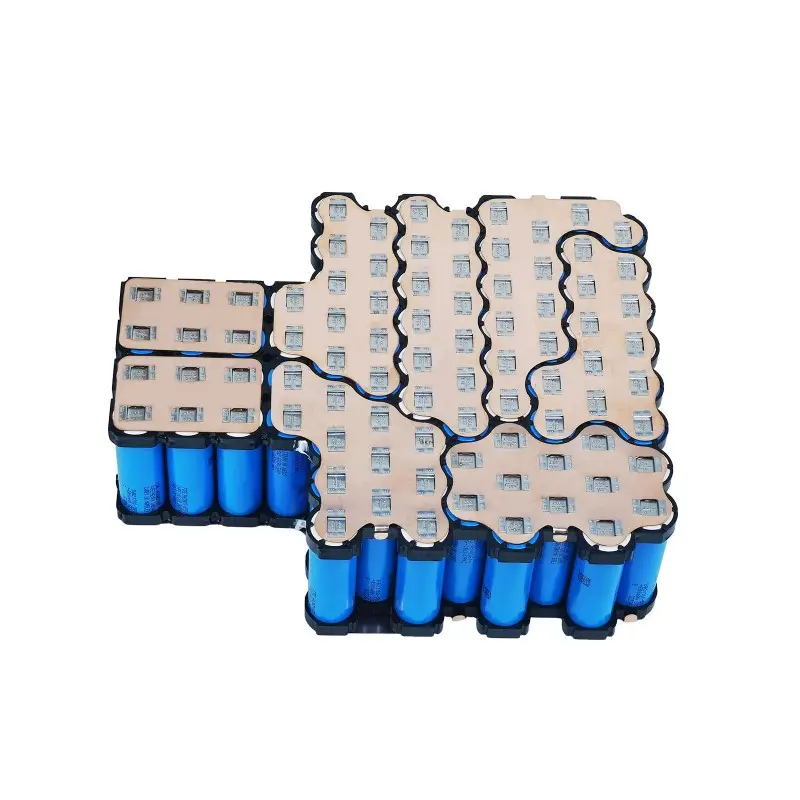
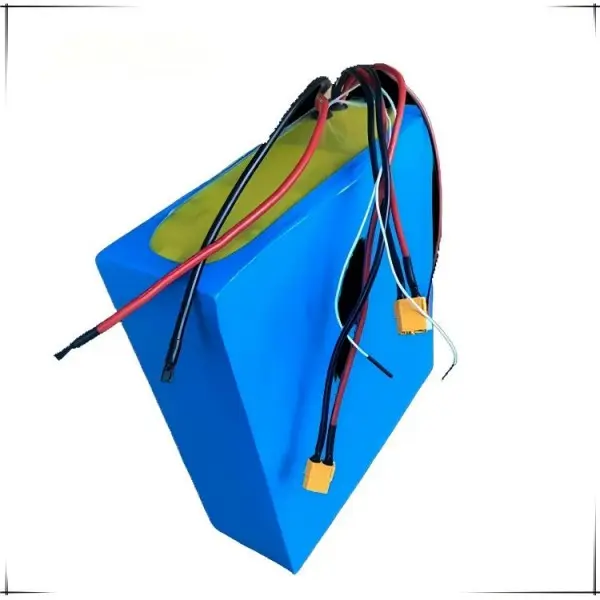
Modern lithium automotive batteries, including lithium-ion and LiFePO4 systems, are usually classified differently.
Hazard Class 9 — Miscellaneous Dangerous Goods
Lithium batteries commonly fall under:
- Hazard Class 9
Class 9 includes hazardous materials that present transportation risks not fully covered by other hazard classes.
Lithium batteries may pose risks involving:
- Thermal runaway
- Fire
- Short circuits
- Energy release during damage
Common lithium battery shipping classifications include:
| バッテリーの種類 | UN Number |
|---|---|
| Lithium-ion batteries | UN3480 |
| Lithium-ion batteries packed with equipment | UN3481 |
| Lithium metal batteries | UN3090 |
| Lithium metal batteries with equipment | UN3091 |
As electric vehicles and portable energy systems continue growing in 2026, Class 9 lithium battery shipping regulations remain a major focus worldwide.
Why Automotive Batteries Are Regulated
Automotive batteries store large amounts of energy and may contain hazardous chemicals.
Potential transportation risks include:
- Acid leakage
- Fire hazards
- Short circuits
- Thermal runaway
- Environmental contamination
- Explosive gas generation
Improper handling during transportation can create serious safety hazards.
Because of these risks, battery transportation is heavily regulated by organizations such as:
- DOT (Department of Transportation)
- IATA (International Air Transport Association)
- IMDG (International Maritime Dangerous Goods Code)
- ADR (European road transport regulations)
Understanding Hazard Class 8 Batteries
Lead-acid batteries remain widely used in:
- 乗用車
- Trucks
- Marine systems
- バックアップ電源システム
- Industrial equipment
These batteries contain sulfuric acid electrolyte, which makes them corrosive.
Why Sulfuric Acid Is Hazardous
Sulfuric acid may:
- Burn skin
- Damage eyes
- Corrode metal surfaces
- React dangerously with other chemicals
Because of this, damaged or leaking lead-acid batteries require careful handling and protective equipment.
Lead-Acid Battery Transportation Rules
Lead-acid battery transportation often requires:
- Leak-proof packaging
- Proper orientation
- Corrosion-resistant containers
- Hazard labels
- Secure terminal protection
In many cases, batteries must also be protected against accidental short circuits during shipment.
Understanding Hazard Class 9 Lithium Batteries
Lithium batteries are regulated differently because the main concern is energy-related fire risk rather than corrosive chemicals.
Why Lithium Batteries Are Considered Dangerous Goods
Lithium batteries can generate extremely high temperatures if:
- Damaged
- Improperly charged
- Short-circuited
- Exposed to extreme heat
Thermal runaway may cause:
- Fire
- Smoke generation
- Explosive pressure buildup
These risks have increased regulatory focus on lithium battery transportation worldwide.
Why Lithium Batteries Continue Growing in 2026
Despite stricter transportation regulations, lithium batteries continue dominating modern energy systems because they provide:
- エネルギー密度の高さ
- Lightweight construction
- 寿命の延長
- 充電速度が速い
- Better portable energy performance
用途には以下が含まれます:
- Electric vehicles
- 携帯型電子機器
- 太陽エネルギー貯蔵
- RVシステム
- ポータブル発電所
- バックアップエネルギーシステム
あの時 グロフラックス, lithium battery systems continue supporting modern portable power applications where energy efficiency and portability are critical.
Automotive Battery Labels and Markings
Hazardous battery shipments typically require special labels and markings.
Lead-Acid Battery Labels
Lead-acid batteries may include:
- Corrosive hazard labels
- UN identification numbers
- Handling instructions
Lithium Battery Labels
Lithium battery shipments commonly require:
- Lithium battery marks
- Class 9 hazard labels
- Watt-hour information
- Emergency contact information
Transportation labeling helps emergency responders identify hazards quickly during accidents or cargo incidents.
Packaging Requirements for Automotive Batteries
Battery packaging regulations are designed to minimize transportation risks.
Important packaging requirements may include:
- Short-circuit prevention
- Terminal protection
- Shock resistance
- Leak containment
- Thermal protection
Lithium battery packaging standards have become increasingly strict because of air transport safety concerns.
Air Transport Restrictions for Batteries
Battery air shipping regulations are especially strict.
Some lithium batteries face limitations involving:
- State of charge (SOC)
- Package quantity limits
- Cargo aircraft restrictions
- Passenger aircraft restrictions
These rules help reduce fire risk during air transportation.
Battery Recycling and Environmental Concerns
Battery hazard classifications also relate to environmental protection.
Improper disposal may release:
- Heavy metals
- Corrosive chemicals
- Toxic substances
Lead-acid batteries are highly recyclable, while lithium battery recycling infrastructure continues expanding rapidly worldwide.
Environmental regulations increasingly influence battery production and transportation policies in 2026.
Battery Safety During Storage
Battery hazards are not limited to transportation.
Improper storage may create risks involving:
- 熱の蓄積
- Short circuits
- Chemical leakage
- Fire hazards
Safe storage practices include:
- Temperature control
- Ventilation
- Terminal protection
- Moisture prevention
- Proper stacking procedures
Large-scale battery warehouses increasingly rely on advanced fire protection systems.
Why Battery Regulations Continue Evolving
The rapid expansion of electric mobility and portable energy systems continues reshaping global battery regulations.
Key drivers include:
- Electric vehicle growth
- 再生可能エネルギー貯蔵
- Portable power demand
- International shipping volume
- Safety incidents involving lithium batteries
Governments and transportation agencies continue updating regulations to improve battery safety.
The Role of Battery Management Systems (BMS)
Modern lithium automotive batteries increasingly use advanced Battery Management Systems.
A BMS helps reduce safety risks by monitoring:
- 温度
- 電圧
- Charging conditions
- Current flow
- セルバランシング
These systems improve both battery performance and transportation safety.
あの時 グロフラックス・バッテリー・ソリューションズ, smart battery safety and portable energy optimization remain important priorities across modern battery systems.
How Hazard Classifications Affect Businesses
Battery hazard classifications directly affect:
- Shipping costs
- パッケージング要件
- Warehouse procedures
- International logistics
- Insurance considerations
- Regulatory compliance
Businesses handling automotive batteries must remain compliant with changing regulations.
Why Portable Energy Trends Increase Battery Regulation
Portable energy systems are rapidly expanding across:
- Electric mobility
- Renewable energy
- スマートエレクトロニクス
- アウトドアレクリエーション
- バックアップ電源システム
As battery shipments increase globally, transportation safety standards continue becoming more important.
The Future of Battery Safety Regulations
Battery regulations will likely continue evolving toward:
- Stricter lithium battery standards
- Smarter packaging systems
- Improved thermal protection
- Better recycling infrastructure
- Enhanced transportation monitoring
- AI-supported battery diagnostics
Future battery technologies may reduce some transportation risks while introducing new regulatory considerations.
The Role of Gloflux in Modern Energy Solutions
あの時 グロフラックス, we focus on advanced battery technologies designed for portable energy and rechargeable power applications.
当社のバッテリーソリューションは以下に対応しています:
- 携帯型電子機器
- 交換可能なバッテリーシステム
- 携帯型エネルギー貯蔵
- スマート充電システム
- Compact lithium battery integration
As battery technology continues evolving in 2026, safety, efficiency, and compliance remain critical parts of modern energy system design.
総評
Automotive batteries may belong to different hazard classes depending on their chemistry.
- Lead-acid automotive batteries are generally classified as Hazard Class 8 corrosive materials because of sulfuric acid electrolyte.
- Lithium automotive batteries are typically classified as Hazard Class 9 miscellaneous dangerous goods because of fire and thermal runaway risks.
Understanding these hazard classifications is essential for:
- Safe transportation
- Regulatory compliance
- Proper storage
- International shipping
- Environmental protection
As portable energy systems and electric mobility continue growing worldwide, battery safety regulations will remain increasingly important across modern energy industries.
FAQ About Automotive Battery Hazard Classes
What hazard class are lead-acid automotive batteries?
Most lead-acid automotive batteries are classified as Hazard Class 8 corrosive materials.
What hazard class are lithium automotive batteries?
Lithium automotive batteries are commonly classified as Hazard Class 9 miscellaneous dangerous goods.
Why are batteries considered hazardous materials?
Batteries may contain corrosive chemicals or store large amounts of energy that can create fire, leakage, or explosion risks.
What UN number applies to lead-acid batteries?
Lead-acid batteries commonly use UN2794 for transportation classification.
Why are lithium battery shipping rules stricter?
Lithium batteries may pose thermal runaway and fire risks during transportation if damaged or improperly handled.