

 家 /
家 / カスタムバッテリーパック設計メーカー:バッテリーコンセプトから信頼性の高い生産へ


目次
- What Is a Custom Battery Pack?
- Starting with the Application Requirements
- Selecting the Right Battery Chemistry
- Designing the Series and Parallel Configuration
- Battery Management System Design
- Mechanical and Enclosure Design
- Prototyping and Sample Evaluation
- Quality Control and Reliability Testing
- Certification and Transportation Requirements
- How to Choose a Custom Battery Pack Manufacturer
- 結論
Choosing a custom battery pack design manufacturer is not simply about finding a factory that can connect several cells and add a wire. A well-designed battery pack must match the electrical requirements, physical structure, charging system, safety expectations, operating environment, and service life of the final device.
For medical equipment, robots, industrial instruments, solar lighting, smart devices, power tools, and energy storage products, the battery often becomes one of the most important components in the system. A poor battery design may cause short runtime, unexpected shutdowns, charging problems, excessive heat, or premature product failure.
An experienced custom battery pack manufacturer should therefore participate early in the development process. Early technical cooperation allows the battery structure, BMS, enclosure, connector, and charging method to be designed around the actual application rather than added after the device design is nearly complete.
What Is a Custom Battery Pack?
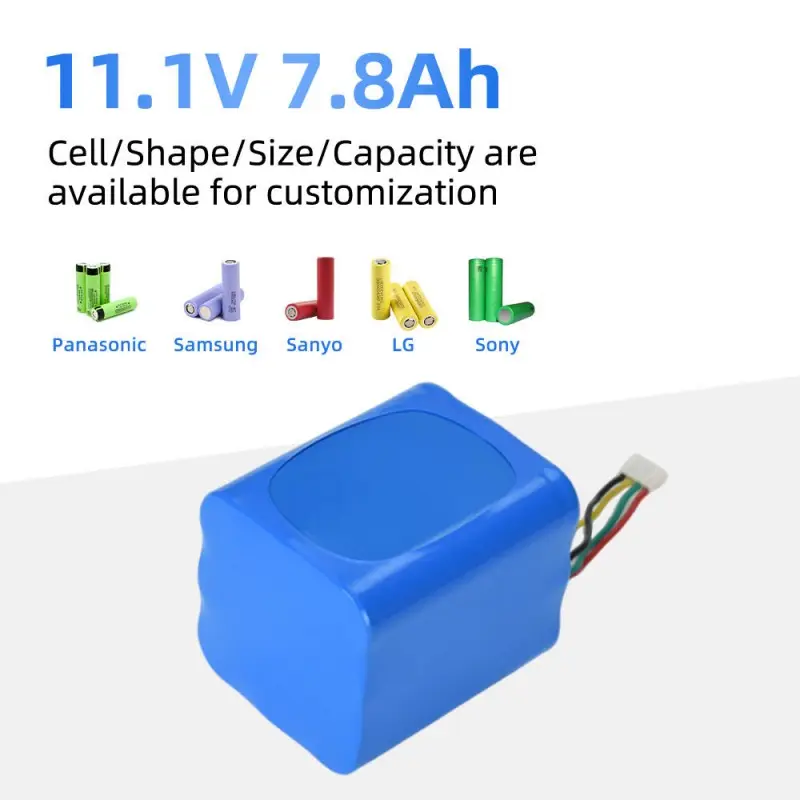
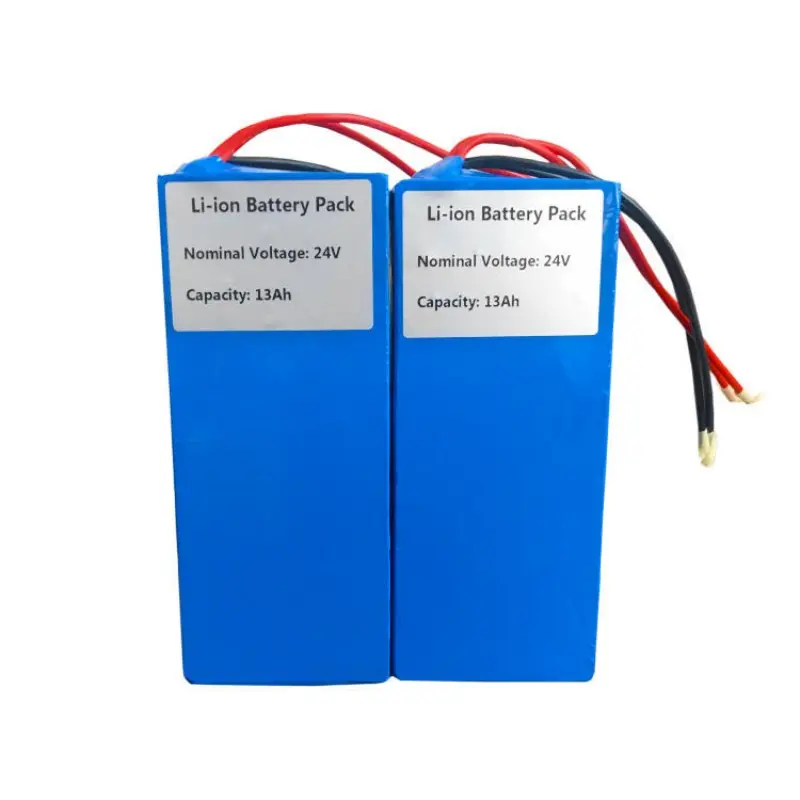
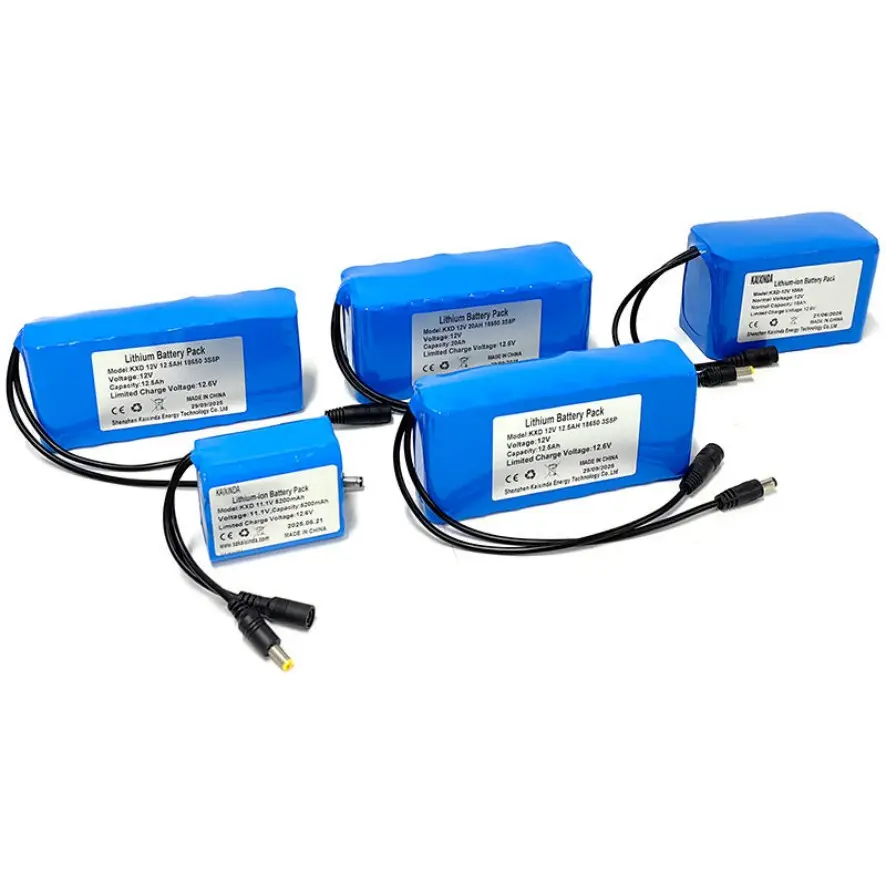
A custom battery pack is an energy storage solution designed for a specific product or application. Unlike standard batteries, it can be adjusted according to voltage, capacity, discharge current, dimensions, connector type, enclosure, protection functions, and communication requirements.
Common battery chemistries include lithium-ion, lithium polymer, lithium iron phosphate, nickel-metal hydride, and other rechargeable systems. Each chemistry has different characteristics related to energy density, cycle life, operating voltage, weight, safety, and temperature performance.
The correct battery solution depends on the product itself. A compact wearable device may require a thin lithium polymer battery, while an industrial robot may need a high-capacity lithium-ion or LiFePO4 battery with communication and high-current output.
Starting with the Application Requirements
Battery development should begin with a clear understanding of the equipment rather than a predetermined cell model.
A professional battery pack design manufacturer will normally request information such as:
- Nominal and maximum operating voltage
- Required battery capacity and runtime
- 連続放電電流とピーク電流
- Charging voltage and charging current
- 利用可能な設置スペース
- コネクタおよびケーブルの要件
- Working and storage temperature
- Expected cycle life
- Waterproofing or impact protection needs
- Communication protocol requirements
- Target certifications and sales markets
These details help engineers determine the cell chemistry, series-parallel configuration, BMS rating, wire gauge, connector, insulation, and housing structure.
Incomplete specifications often lead to repeated samples and unnecessary redesign. Providing accurate equipment data at the beginning can reduce development time and improve the reliability of the final battery.
Selecting the Right Battery Chemistry
Battery chemistry affects nearly every part of the product design.
Lithium-ion batteries are widely used because they provide high energy density, relatively low weight, and flexible cylindrical or prismatic cell options. They are suitable for portable electronics, robotics, medical equipment, monitoring systems, and industrial devices.
Lithium polymer batteries can be manufactured in thin and customized shapes. They are commonly used in compact devices where thickness and weight are critical.
LiFePO4 batteries offer excellent cycle life, stable chemistry, and dependable performance. They are often selected for solar lighting, backup systems, AGVs, communication equipment, and energy storage applications.
Nickel-metal hydride batteries remain useful for products requiring robust operation, simple charging characteristics, or compatibility with existing equipment.
A reliable manufacturer should explain the trade-offs instead of recommending one chemistry for every project.
Designing the Series and Parallel Configuration
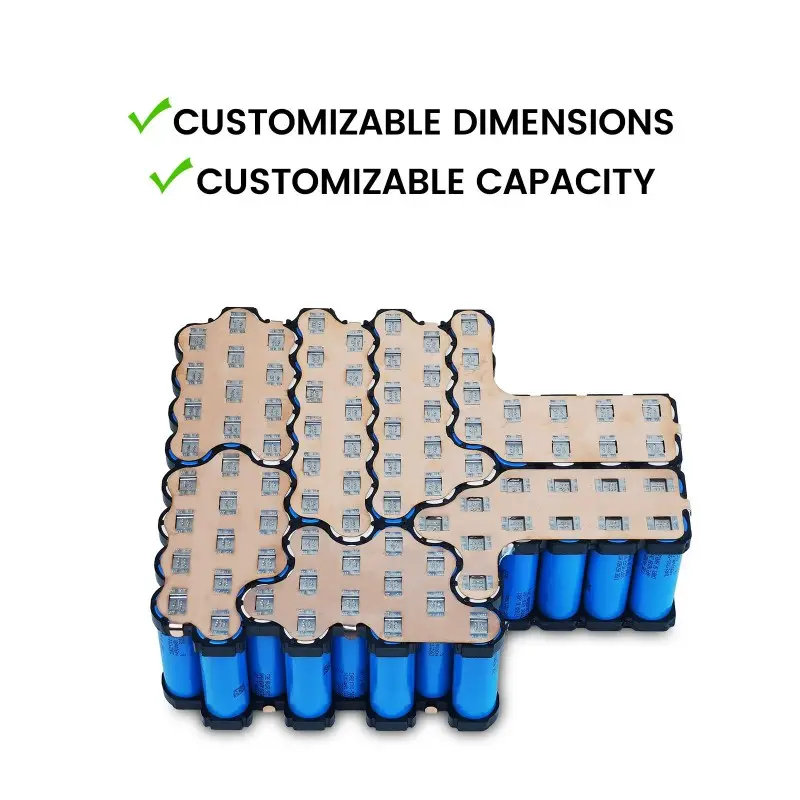
Individual cells must be connected in series and parallel to achieve the required voltage and capacity.
Series connections increase the total pack voltage. Parallel connections increase capacity and current capability. For example, a 4S3P configuration contains four series-connected groups with three cells in parallel in each group.
The configuration must be matched to the equipment’s voltage range and power demand. It also affects the number of cells, pack dimensions, BMS structure, heat distribution, and production cost.
Cell consistency is especially important in multi-cell battery packs. Cells should be matched according to capacity, voltage, internal resistance, and self-discharge. Poor cell matching may create imbalance, reduce usable capacity, and shorten battery life.
Battery Management System Design
The battery management system is one of the most important parts of a lithium battery pack.
A BMS may provide:
- 過充電保護
- 過放電保護
- 過電流保護
- ショート回路保護
- セルバランシング
- 温度監視
- 電荷状態推定
- 通信機能
The BMS should not be selected only according to the battery voltage. Engineers must also consider the normal current, peak current, load characteristics, charging method, and operating temperature.
For intelligent equipment, the battery may require SMBus, I²C, UART, RS485, CAN bus, or another communication interface. These functions allow the host device to read battery voltage, current, temperature, remaining capacity, cycle count, and fault information.
A customized BMS can also support sleep modes, low-power consumption, pre-charge control, heating management, or specialized charging logic.
Mechanical and Enclosure Design
A battery pack must fit securely inside the product while remaining protected from vibration, impact, moisture, heat, and cable movement.
Depending on the application, the pack may use PVC heat-shrink film, a plastic enclosure, a metal housing, silicone sealing, foam pads, brackets, or molded structural parts.
Engineers should consider:
- Cell arrangement
- Heat dissipation
- Insulation distance
- コネクターの位置
- ケーブルルーティング
- Mounting points
- Service and replacement access
- Shock and vibration resistance
- Waterproofing requirements
The battery enclosure should also be coordinated with the device housing. Leaving battery design until the final development stage often creates avoidable problems with installation space, connector access, and thermal management.
Prototyping and Sample Evaluation
After the battery design is confirmed, the manufacturer normally produces engineering samples for evaluation.
Prototype testing should verify dimensions, voltage, capacity, charge performance, discharge performance, communication, connector compatibility, and installation fit.
The customer should test the battery inside the actual equipment rather than evaluating it only as an independent component. This helps identify problems involving startup current, controller settings, charging compatibility, heat accumulation, and software communication.
If changes are required, the battery specification should be updated before pilot production.
Quality Control and Reliability Testing
A dependable custom battery pack manufacturer should maintain clear inspection and testing procedures throughout production.
Typical controls include incoming cell inspection, cell grading, voltage testing, internal resistance testing, welding inspection, BMS verification, insulation checks, charge-discharge testing, aging, appearance inspection, and final functional testing.
Depending on the application, additional testing may include vibration, drop, temperature cycling, high-temperature storage, low-temperature discharge, short-circuit protection, and enclosure sealing tests.
Quality control should focus on repeatability. A successful prototype is not enough if mass-produced battery packs cannot maintain the same performance.
Certification and Transportation Requirements
Rechargeable lithium batteries may require specific testing and documentation before international shipment or market entry.
Common requirements can include UN38.3 transportation testing, safety data sheets, IEC standards, CE, RoHS, UL-related evaluations, and application-specific certifications.
The exact requirements depend on the battery design, final product, destination country, transportation method, and customer market.
Certification planning should begin early because changing the cell, BMS, enclosure, or pack structure after testing may require additional evaluation.
How to Choose a Custom Battery Pack Manufacturer
A capable manufacturer should provide more than a price quotation. Buyers should evaluate engineering support, cell sourcing, BMS development, production controls, testing capability, certification experience, and communication efficiency.
It is also important to confirm whether the manufacturer can support prototype development, small-batch production, mass production, and long-term replacement supply.
The best supplier is not necessarily the one offering the lowest initial price. A battery pack that reduces product failures, warranty claims, and redesign work may provide far greater value over the full project lifecycle.
結論
A custom battery pack design manufacturer connects battery technology with the real needs of the final product. Successful development requires careful coordination of cell chemistry, voltage, capacity, current, BMS, enclosure, charging, communication, testing, and certification.
By involving the battery manufacturer early, product developers can reduce technical risks, shorten the sampling process, and create a safer, more reliable power solution. The goal is not simply to build a battery that fits the equipment, but to develop a battery system that performs consistently throughout the product’s intended service life.
What information is needed to design a custom battery pack?
The manufacturer normally needs the voltage, capacity, operating current, peak current, dimensions, connector, charging method, temperature range, and application details.
Which battery chemistry is best for a custom battery pack?
The best chemistry depends on the application. Lithium-ion offers high energy density, LiPo supports thin shapes, and LiFePO4 provides long cycle life and stable performance.
Can a custom battery pack include communication functions?
Yes. Custom batteries can support communication methods such as SMBus, I²C, UART, RS485, or CAN bus, depending on the equipment requirements.
How long does custom battery development take?
Development time depends on design complexity, cell availability, BMS functions, enclosure tooling, testing, and certification requirements.
Can the battery size, connector, and casing be customized?
Yes. The cell arrangement, dimensions, housing, connector, cable length, BMS, charging port, mounting method, and protection structure can all be customized.
- プレゼント: 信号用充電式12V 7800mAh 3S3P 18650リチウムイオンバッテリーパック
- 次回: ヌル