

 ホーム /
ホーム / 24V 36V 48V 13Ah 20Ah リチウムイオンバッテリーパック 園芸用電動工具、芝刈り機、芝刈り機用


目次
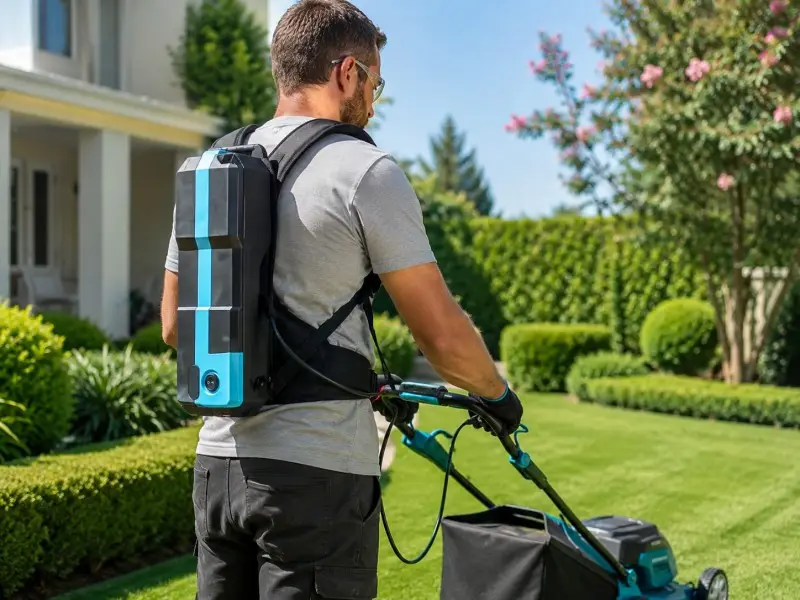
Battery-powered garden equipment has become a practical alternative to fuel-powered and corded machines. Electric lawn mowers, grass trimmers, garden weeders, hedge trimmers, leaf blowers, chainsaws, and pruning tools are quieter, easier to maintain, and more convenient to move around outdoor working areas.
However, the performance of these machines depends heavily on the battery system. A garden tool lithium battery must provide enough current for motor startup, maintain stable voltage under changing loads, and operate safely in environments exposed to vibration, dust, moisture, and temperature changes.
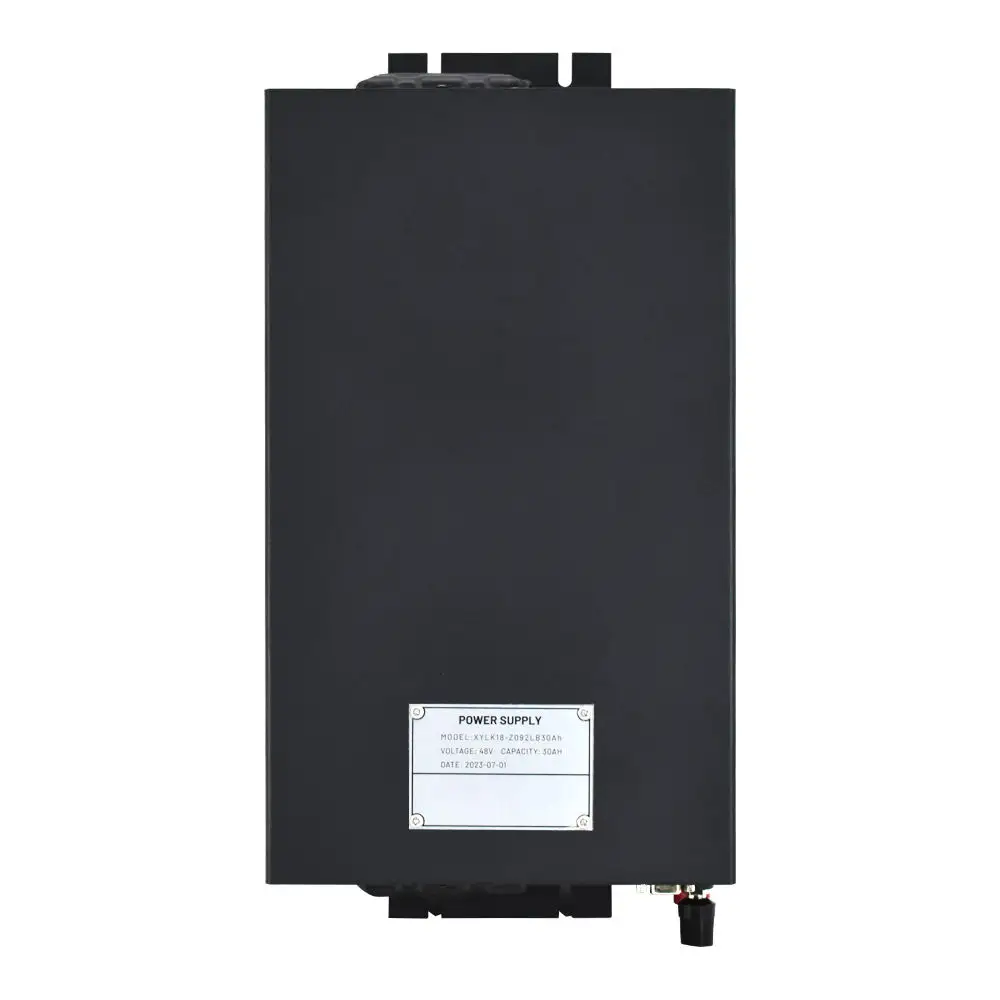
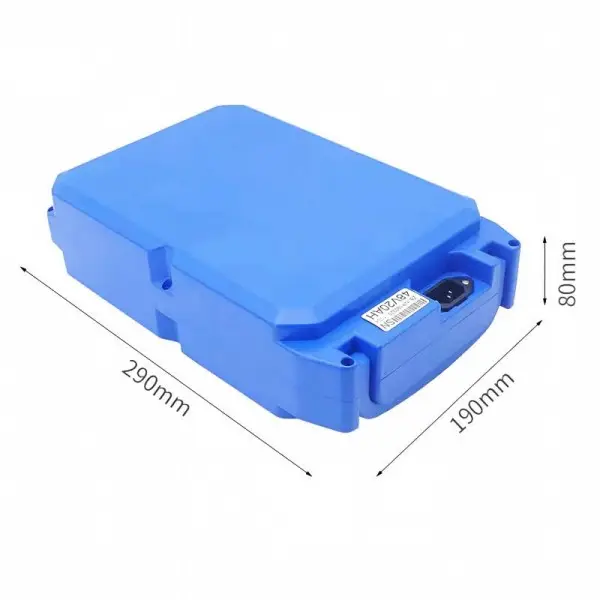
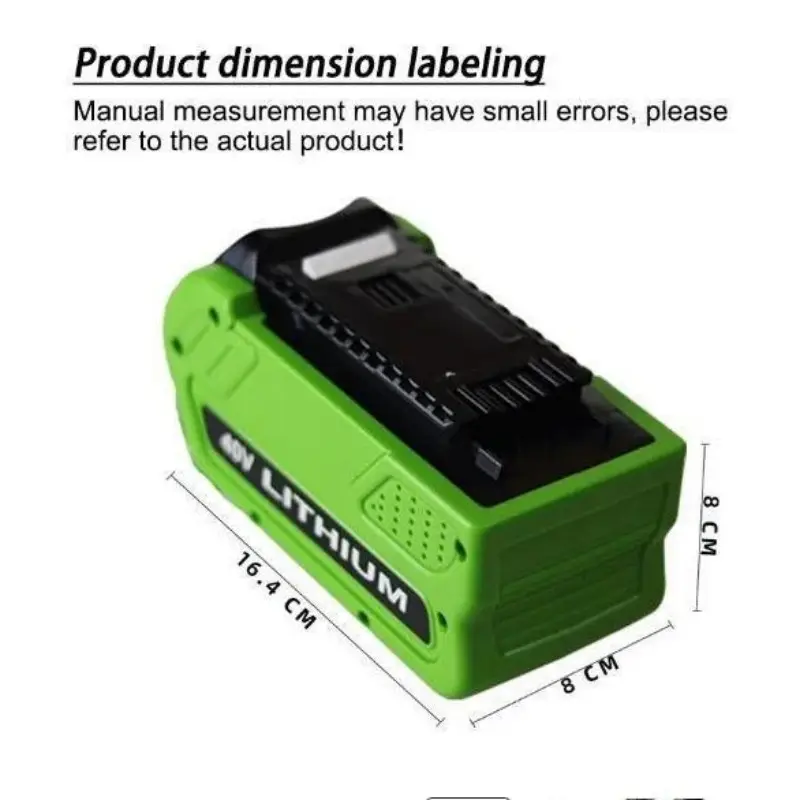
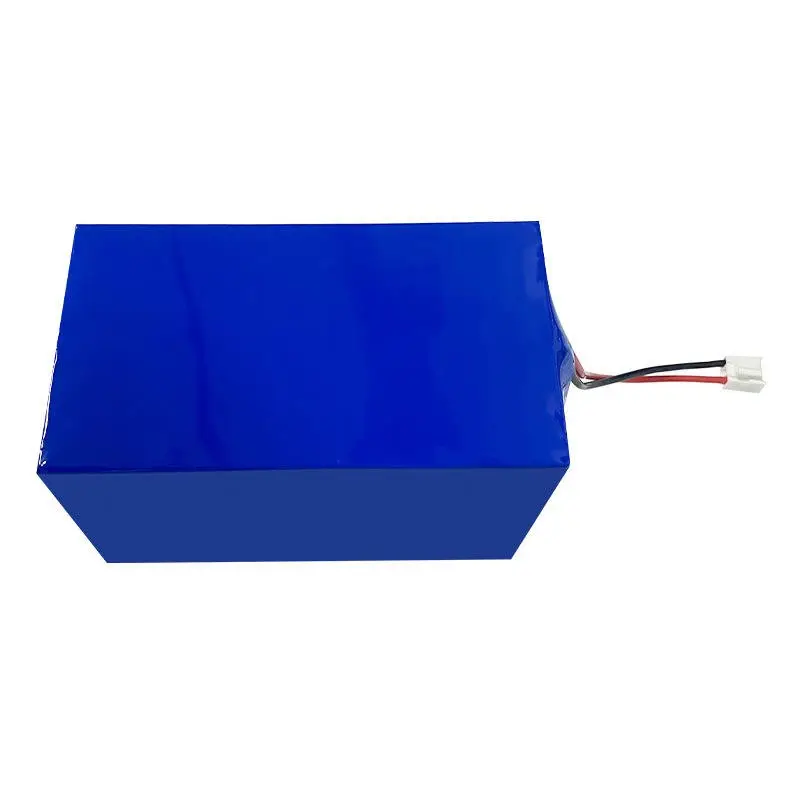
Custom 24V, 36V, and 48V lithium-ion battery packs with 13Ah or 20Ah capacities can be developed for residential, commercial, and agricultural garden equipment. Selecting the correct specification requires more than choosing a voltage and capacity. The battery cells, BMS, enclosure, connector, charging system, and installation structure must all match the equipment.
Choosing Between 24V, 36V, and 48V Batteries
Different garden tools require different levels of power.
A 24V battery is often suitable for lightweight grass trimmers, compact weeders, pruning tools, small hedge trimmers, and other portable garden equipment. Its relatively compact size can help reduce the overall weight of handheld machines.
A 36V battery offers a balance between portability and output. It may be used in medium-duty lawn mowers, hedge trimmers, leaf blowers, tea harvesters, and professional landscaping tools that require longer runtime or stronger motor performance.
A 48V garden tool battery is generally selected for more demanding equipment, including larger lawn mowers, high-power weeders, cultivators, chainsaws, and commercial outdoor machinery. The higher system voltage can support greater motor power while reducing the current required for the same output level.
The equipment manufacturer should confirm the motor voltage, controller range, startup current, continuous current, and peak current before selecting a battery platform.
13Ah and 20Ah Capacity Options
Battery capacity affects runtime, but a larger capacity does not automatically mean a better design.
A 13Ah battery may be suitable for portable equipment where weight and compact dimensions are important. It can provide a useful balance between operating time and handling comfort for residential lawn care and routine garden maintenance.
A 20Ah battery provides more stored energy and is better suited to larger lawns, professional landscaping work, farms, parks, and equipment expected to operate for longer periods between charges. It may also reduce the number of battery changes required during a working day.
Actual runtime depends on several factors, including motor power, cutting load, grass density, blade condition, terrain, ambient temperature, and operator behavior. For example, a lawn mower cutting tall, wet grass will consume more energy than the same machine operating on a regularly maintained lawn.
Testing the battery on the actual equipment is therefore essential before confirming the final capacity.
Stable Output for Cutting and Trimming Loads
Garden tools rarely operate under a constant load. A mower may suddenly require more current when it reaches thick grass. A hedge trimmer experiences repeated load changes when its blades cut through dense branches. A garden weeder can also encounter increased resistance in compact soil.
The battery must respond to these load changes without excessive voltage drop, overheating, or unexpected shutdown.
This requires carefully selected lithium-ion cells with suitable discharge capability. Internal components such as nickel strips, busbars, wiring, terminals, and connectors must also be sized for the required current.
A battery designed only around nominal capacity may perform poorly if its current path is insufficient. Proper development should include startup-current testing, continuous-load testing, peak-current verification, and temperature-rise evaluation.
Intelligent BMS Protection
A battery management system helps protect the cells and connected equipment during charging and operation.
A suitable garden tool battery pack may include protection against:
- Overcharge and over-discharge
- 過剰な電流
- ショートサーキット
- High and low temperatures
- セル電圧の不均衡
- Abnormal charging conditions
The protection settings should match the application. A lawn mower may require a higher short-term current limit than a small pruning tool. If the BMS threshold is too low, the battery may shut down during normal operation. If it is too high, the cells and electrical components may not receive adequate protection.
Advanced BMS designs can also support battery-level indication, cycle counting, fault recording, temperature monitoring, and communication with the equipment or charger.
Durable Design for Outdoor Use
Garden equipment is exposed to conditions that ordinary indoor electronics rarely experience. Dust, grass particles, vibration, humidity, accidental impacts, and changing temperatures can affect battery reliability.
The enclosure should be designed around the actual operating environment. Depending on the project, this may include reinforced housing, sealed connectors, vibration-absorbing materials, corrosion-resistant hardware, flame-retardant plastics, and protection against moisture or dust ingress.
Mechanical compatibility is equally important. The battery must match the equipment’s rail, latch, handle, connector position, terminal polarity, and locking mechanism. Even a small difference in the housing dimensions can prevent the pack from fitting correctly.
For backpack-style batteries, harness comfort, cable routing, quick-release functions, and weight distribution should also be considered.
一般的な用途
Custom 24V, 36V, and 48V lithium-ion batteries can be used in many types of outdoor equipment, including:
- Electric lawn mowers
- Grass and string trimmers
- Garden weeders
- Hedge trimmers
- Leaf blowers
- Electric chainsaws
- Cultivators and tillers
- Tea harvesters
- Electric sprayers
- Pruning and landscaping tools
The same voltage does not guarantee compatibility between different brands or machines. Charging voltage, connector design, communication protocol, discharge current, and mechanical structure must be checked individually.
OEMおよびODMバッテリーカスタマイズ
For garden tool manufacturers and replacement battery suppliers, a customized solution provides more flexibility than a standard off-the-shelf pack.
Customization can include voltage, capacity, cell brand, discharge current, BMS functions, enclosure dimensions, mounting rails, connectors, cable length, battery indicators, communication protocols, labels, chargers, and packaging.
Before development begins, the battery supplier normally needs the equipment model, motor power, operating current, peak current, required runtime, available installation space, connector definition, charging method, and target working environment.
A prototype should be tested on the actual tool before volume production. Compatibility, temperature rise, vibration resistance, protection functions, charging performance, and cycle life should all be evaluated.
結論
A well-designed 24V, 36V, or 48V garden tool lithium battery can improve equipment runtime, cutting performance, reliability, and user comfort. The choice between 13Ah and 20Ah should be based on the working time, equipment weight, motor load, and available installation space.
For lawn mowers, garden weeders, grass trimmers, and other outdoor power tools, successful battery development requires close coordination between the battery supplier and equipment manufacturer. A properly matched battery system delivers more dependable performance than simply selecting the highest available voltage or capacity.
Which voltage is best for a garden power tool?
The correct voltage depends on the motor, controller, required output, and equipment design. Compact tools may use 24V, while larger lawn mowers and commercial equipment may require 36V or 48V.
Is a 20Ah battery better than a 13Ah battery?
A 20Ah battery generally provides longer runtime, but it is also larger, heavier, and more expensive. A 13Ah pack may be more suitable for portable tools.
Can the battery housing and connector be customized?
Yes. The enclosure, mounting structure, connector, terminals, handle, locking system, cable, and label can be developed for the target equipment.
バッテリーにはBMS保護が含まれていますか?
A customized pack can include protection against overcharge, over-discharge, overcurrent, short circuits, high temperature, and cell imbalance.
What information is needed for customization?
The battery supplier normally needs the required voltage, capacity, motor power, continuous and peak current, dimensions, connector details, charging specifications, operating environment, and original battery sample.